

Will your garden room stand up to a proper British winter? January’s frost and February’s damp put any outdoor building to the test, revealing which structures were built to last and which were just dressed-up sheds. Cold floors, condensation on windows, and eye-watering heating bills are common concerns for homeowners wondering whether their investment will deliver year-round comfort.
The good news is that a properly specified insulated garden room can handle UK winters with ease, providing a warm, dry, usable space every single day of the year. If you’re planning a garden room designed for year-round use, specification matters, and that’s what this blog aims to tackle.
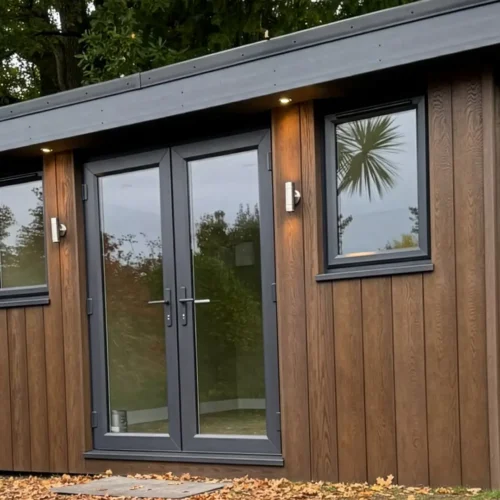
Why Winter-Proofing Matters for Year-Round Garden Rooms
There’s a world of difference between a summer shed with a coat of paint and a properly insulated garden room built for 365-day use. Garden room winter preparation determines whether you’ll actually use the space when temperatures drop or whether it becomes an expensive storage shed until spring.
Keeping a garden room warm in winter affects your energy bills, your comfort levels, and the structural longevity of the building itself. This matters particularly if you’re running a home office, garden gym, recording studio, spa and wellness room, or tutoring space where consistent conditions make the difference between productive use and abandoned investment.
Put simply, winter-proofing your garden room isn’t optional if you want genuine value from your build.
Insulating Your Garden Room Properly
The quality of your insulation determines everything else about winter performance, from heating costs to condensation control.
Wall, Floor and Roof Insulation Explained
Full envelope insulation means treating your garden room as a complete thermal barrier, with no weak points where cold can creep through. Walls, floors, and roofs all need proper attention, which is why questions about how much insulation is needed for garden rooms to meet building regulations come up so often during the planning stage.
U-values measure how much heat escapes through different parts of the structure (lower numbers mean better insulation). Modern garden rooms typically aim for U-values around 0.15 to 0.18 W/m²K for walls and roofs, creating a genuinely warm space that holds heat efficiently. Winter-proofing your garden room starts here, with this fundamental thermal envelope that keeps warmth where it belongs.
Best Insulation Materials for Garden Rooms
Choosing the right insulation type depends on your priorities, budget, and how you’ll use the space day to day.
PIR insulation boards deliver excellent thermal performance in slim profiles, making them ideal where internal space matters. They’re particularly effective in floors and roofs where you want maximum insulation without losing headroom or floor height.
Mineral wool offers dual benefits for insulated garden room builds, providing both thermal and acoustic insulation in one material. It’s slightly bulkier than PIR but works beautifully in wall cavities, and the sound-dampening qualities make it perfect for music rooms or home offices where you need quiet.
You might also consider sheep’s wool insulation, as it brings breathability and sustainability together, naturally regulating moisture while insulating effectively. It costs more initially, so the best insulation for garden rooms often comes down to balancing insulated garden room cost against performance needs and personal values around eco-friendly building.
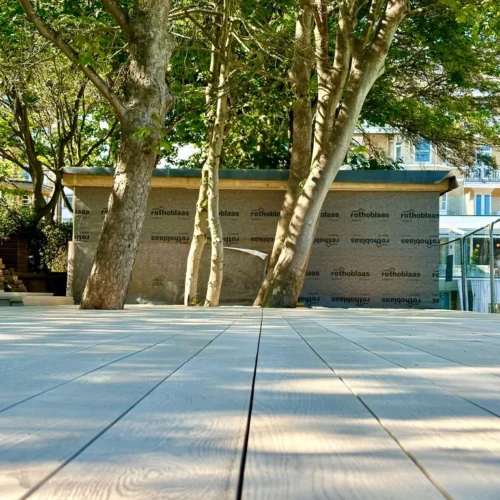
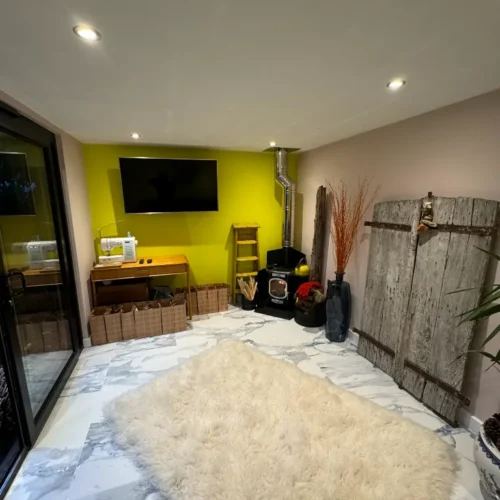
Heating Solutions for Winter Comfort
Once your insulation creates a tight thermal envelope, you need heating that matches your usage patterns and keeps running costs manageable. When considering heating and insulation solutions for your garden room, understanding the different systems available helps you make confident decisions.
Electric Radiators vs Underfloor Heating
The underfloor heating vs radiators debate has no single winner because both systems excel in different scenarios, and your choice depends on how quickly you need heat and how you’ll use the space.
Electric radiators heat up fast, perfect for garden offices where you pop out for a few hours and want instant warmth when you arrive. You can control zones independently, running one radiator for quick morning sessions or multiple units during longer working days. They’re straightforward to install and maintain, with no complex pipework needed.
Underfloor heating in garden rooms creates even warmth from floor to ceiling without taking up any wall space for radiators or towel rails. The gentle, consistent heat pairs brilliantly with high insulation levels, and many homeowners find the comfort factor unmatched. Installation costs more upfront but, as far as garden room heating solutions go, using underfloor systems often deliver lower running costs over time because they operate at lower temperatures while maintaining comfort.
Moisture Control and Condensation Prevention
Of course, even perfectly insulated spaces can suffer from moisture problems if water vapour isn’t managed properly during the build and afterwards. Let’s take a closer look.
Why Moisture is a Winter Problem
Winter condensation happens when warm, humid air inside your garden room meets cold surfaces like windows, walls, or roof panels. The temperature difference causes water vapour to condense into liquid droplets, creating the conditions where mould thrives. Left unchecked, you’ll notice damp smells, damaged finishes, and potential structural issues as moisture penetrates materials over time.
The warmer you keep your space and the colder it gets outside, the more pronounced this problem becomes without proper moisture control.
Vapour Barriers, Ventilation and Breathable Builds
A vapour barrier uses membrane layers positioned on the warm side of insulation to stop moisture-laden air reaching cold surfaces where it would condense. These barriers work alongside ventilation systems (both passive vents and active extraction units) to manage humidity levels effectively.
Breathable wall build-ups allow any trapped moisture to escape gradually without causing damage. This is why moisture control in garden buildings requires careful layering of materials during construction. Understanding glazing and ventilation requirements for garden rooms helps ensure your build balances airtightness with adequate fresh air exchange.
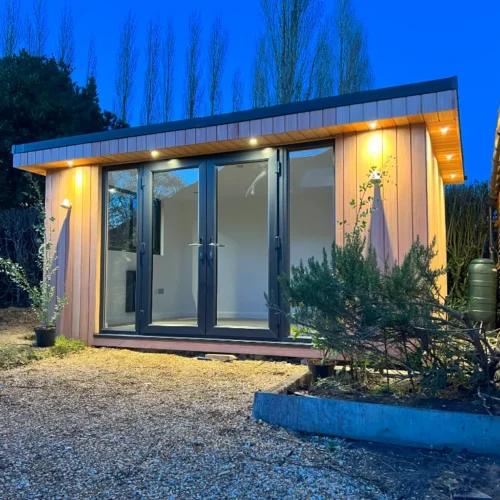
Specification Matters: What to Look for in a Winter-Ready Garden Room
Before committing to any supplier, check their winter specification meets these essential standards for year-round comfort:
- Fully insulated floor, walls and roof with continuous coverage and no thermal gaps.
- Thermal breaks built into the frame to prevent cold bridging through structural members.
- High-performance glazing and doors with double or triple glazing and proper seals.
- Vapour control layers correctly positioned to prevent condensation within the wall build-up.
- Efficient garden room heating solutions matched to your space size and usage pattern.
At Garden Room Solutions, we design every build specifically for UK winters, creating spaces that work brilliantly in residential gardens, school grounds, hotel settings, and educational facilities.
Winter-proofing your garden room should never be an afterthought. In fact, our nearly 20 years of combined experience in property renovation and design means we understand exactly how buildings perform when it’s treated as a core design principle from day one.
Can Garden Rooms Be Used All Winter?
Yes, when designed and built correctly.
A properly specified insulated garden room performs as well as any room in your main house, maintaining comfortable temperatures throughout December, January, and February without dramatic heating bills. Realistic winter use means treating the space like an extension rather than an outbuilding.
Expect similar heating costs to a spare bedroom or converted loft office of equivalent size. Insulated garden room costs include proper thermal specification, so while the initial investment is higher than budget garden buildings, the running costs and year-round usability make the difference clear from your first winter onwards.
Common Winter Garden Room Mistakes to Avoid
We see the same problems repeatedly when homeowners cut corners or treat garden rooms like simple sheds. Following seasonal maintenance tips for garden rooms helps, but avoiding these fundamental mistakes matters more:
- Relying on Heaters Instead of Insulation: No amount of heating compensates for poor insulation, and you’ll burn money trying.
- Skipping the Vapour Barrier Specification: Condensation damage accumulates slowly but ruins buildings eventually.
- Choosing Cheap Glazing: Single-glazed doors and windows lose heat rapidly and feel cold even when the space is heated.
- Treating Garden Rooms as Sheds Rather Than Buildings: Proper construction techniques, materials, and detailing separate comfortable spaces from expensive disappointments.
Getting the specification right from the start saves significant money and frustration compared with retrofitting insulation or replacing inadequate components later.
Final Thoughts: Invest Once, Use All Year
Winter-proofing your garden room properly transforms it from a seasonal shed into genuine year-round living space. The difference between a room that sits empty from October to March and one you use daily comes down to specification decisions made before building starts. Professional design beats DIY kits when consistent comfort and productivity matter.
Garden Room Solutions brings over 20 years of combined experience to every project, designing and building structures that incorporate bespoke garden room heating solutions and thermal specifications designed specifically for UK winters.
If you’re considering a garden room you can genuinely use all year round, call us on 01202 081198 or complete our contact form for expert advice.