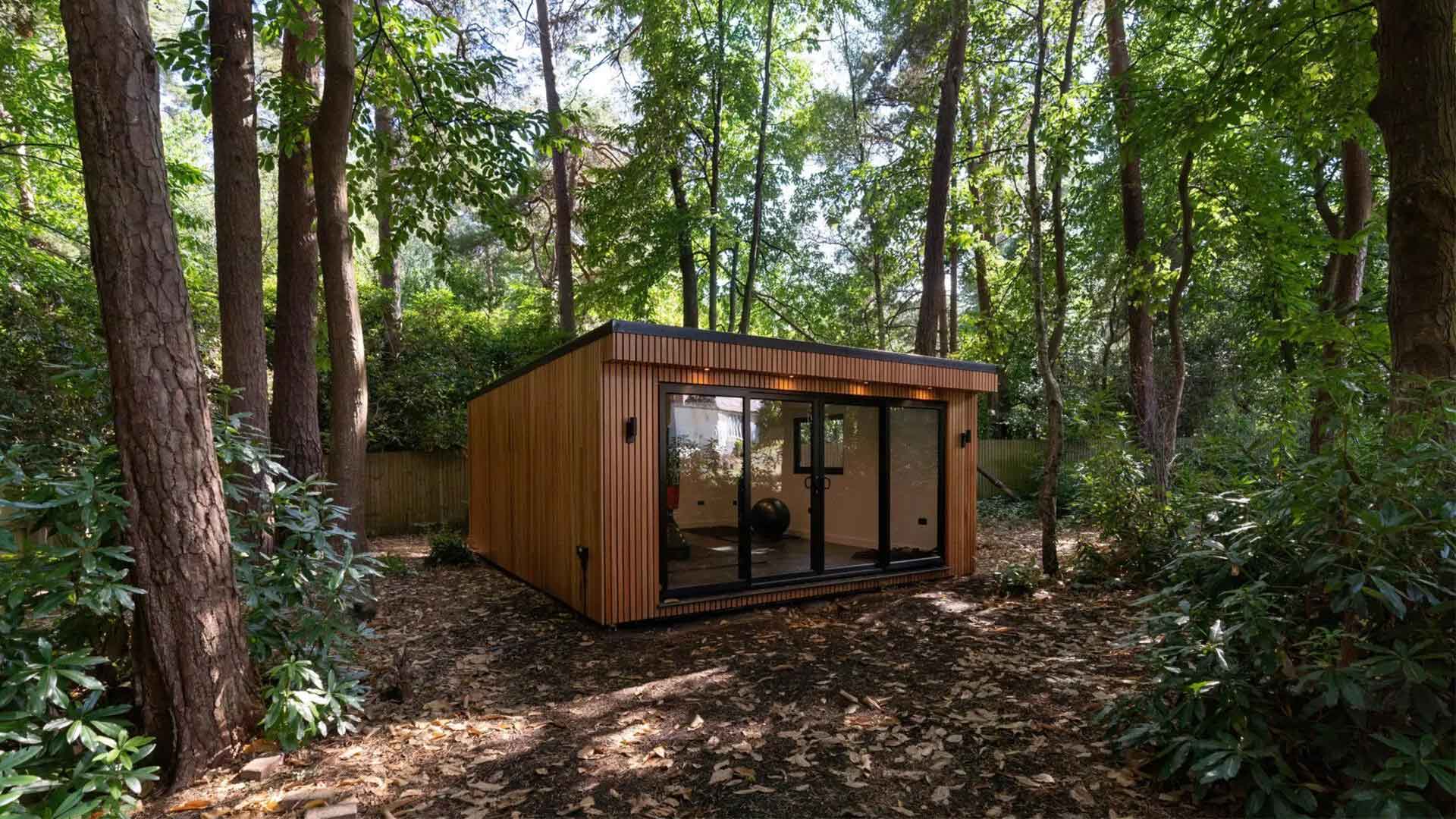
Sustainability is no longer a nice extra. For homeowners, schools, and businesses, it’s fast becoming the baseline expectation. So, could your planned garden room be part of the solution? Demand for low-carbon garden offices is growing fast, fuelled by rising energy bills and a genuine desire to build responsibly, so the short is answer is, yes.
A zero-carbon garden room delivers on both, but getting there takes careful planning, the right materials, and specialist knowledge. At Garden Room Solutions, we design and build sustainable garden buildings that deliver real-world performance.
In this guide, we walk you through everything, from net zero garden room design principles to the technologies that make it achievable.

What Is a Zero-Carbon Garden Room?
Put simply, a zero-carbon garden room is a structure that produces no net carbon emissions across its lifetime, accounting for both operational energy use and the carbon embedded in construction.
It’s worth understanding the key distinctions: low-carbon means reduced emissions, carbon-neutral involves offsetting what remains, while net-zero means eliminating them at source.
Embodied carbon, the emissions locked into materials from the moment they are manufactured, is where many eco-garden building solutions fall short. Garden rooms, with their modest footprint and flexible design, are ideal candidates for a genuinely carbon-neutral approach.
Step 1
Net-Zero Foundations and Groundworks
Every net-zero garden room design begins at ground level, as the foundation choice carries more environmental weight than most people realise, because concrete-intensive groundworks lock in significant embodied carbon before a single wall goes up. Low-impact alternatives, such as screw pile systems and reduced-concrete slabs, minimise excavation and soil disturbance while keeping lifecycle carbon low.
Insulation beneath the floor structure, paired with thermal breaks to prevent heat loss, is equally critical. Understanding garden room foundations and building regulations from the outset allows our team to design a base that performs thermally and responsibly from day one.

Step 2
Sustainable Structure and Insulated Materials
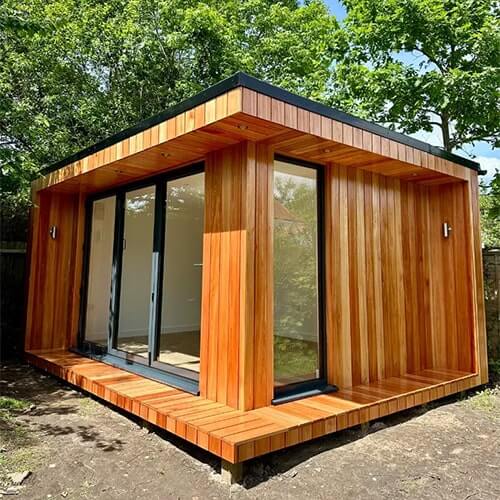
With the foundations in place, the structure becomes the next critical layer. Incorporating eco-friendly features into your garden room starts here, with FSC-certified or reclaimed timber frames that reduce embodied carbon significantly.
Understanding the amount of insulation needed for garden rooms to satisfy building regulations is essential, but a truly sustainable build goes further. Key eco-garden building solutions at this stage include:
- FSC-certified or reclaimed timber frames.
- High-performance recycled or natural insulation.
- Airtight construction methods to eliminate draughts.
- Vapour control layers for long-term structural durability.
Professional installation bridges the gap between theoretical U-values and performance that holds up in real-world use.
Step 3
Passive Design for Year-Round Comfort
Now that the structure is sound, passive design is where a carbon neutral garden office really starts to take shape. Orientation matters more than most expect: a south-facing aspect allows solar gain to warm the space naturally in winter, reducing reliance on mechanical heating.
Triple-glazing with low-emissivity coatings keeps that warmth inside, while well-considered shading strategies, such as overhanging roof panels or deciduous planting, prevent summer overheating. Glazing and ventilation requirements must be balanced carefully, because a room that is too airtight without controlled airflow becomes uncomfortable quickly. Get this right and year-round comfort follows almost automatically.

Step 4
Renewable Heating and Cooling Solutions
Next, choosing the right heating system is central to any green energy garden studio. When it comes to heating and insulation solutions for garden rooms, air-source heat pumps are the go-to choice, delivering three or more units of heat for every unit of electricity consumed.
Infrared panels offer a lower-cost alternative, though they suit occasional-use spaces better. The underfloor heating vs radiators debate matters here too, as underfloor systems pair naturally with heat pumps and create even, comfortable warmth throughout. Of course, matching your system to actual room usage is essential for genuinely effective renewable heating for garden rooms.
Step 5
On-Site Renewable Energy Generation
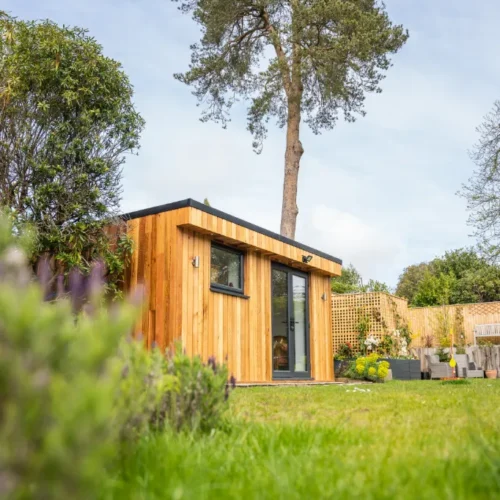
On-site energy generation is where a net-zero garden room design moves from aspiration to reality. Roof-mounted solar PV panels are the most practical option for most builds, and understanding the costs and benefits of solar-powered garden rooms is an important early step in any project.
Battery storage covers evening and winter use, while grid-connected systems let you export surplus energy and benefit from export tariffs. Off-grid configurations are possible but require careful sizing. Whatever the case, professional design ensures that any approach to renewable heating for garden rooms is right-sized from the outset, keeping it genuinely cost-effective over time.

Step 6
Water Efficiency and Rainwater Management
One that’s often overlooked in sustainable building projects is water efficiency, which is strange considering it forms an important part of the wider picture. Rainwater harvesting systems can collect and store roof run-off for use in WCs or garden irrigation, reducing mains water demand meaningfully.
Around the building, permeable landscaping, such as gravel, open-jointed paving, or planted borders, allows rainwater to drain naturally rather than contributing to surface run-off.
These choices support broader sustainability goals and complement the aesthetic of a well-designed garden room. Small decisions at this stage can make a genuine difference to the overall environmental footprint of your build.
Step 7
Monitoring, Measuring, and Proving Performance
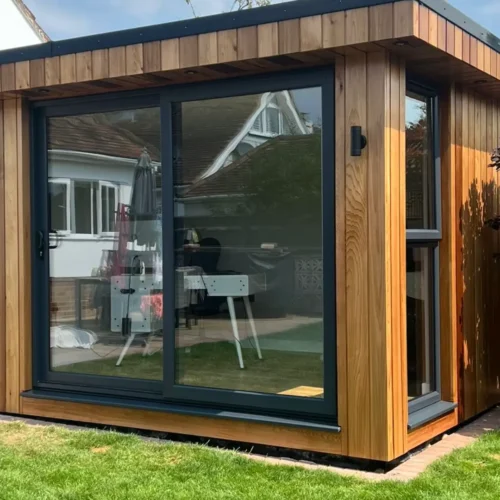
Building a green energy garden room is only half the story. Verifying that it performs as intended over time is equally important. Smart energy monitors give you a real-time view of consumption, making it easy to identify patterns, spot inefficiencies, and optimise how you use the space.
And you should review performance data every few months to keeps carbon reduction on track and surface issues before they become costly. User behaviour matters too, because small adjustments to how and when you use heating and power can significantly improve long-term outcomes. Remember that net zero is a commitment, not a one-off installation.
Zero-Carbon Garden Rooms for Commercial and Education Settings
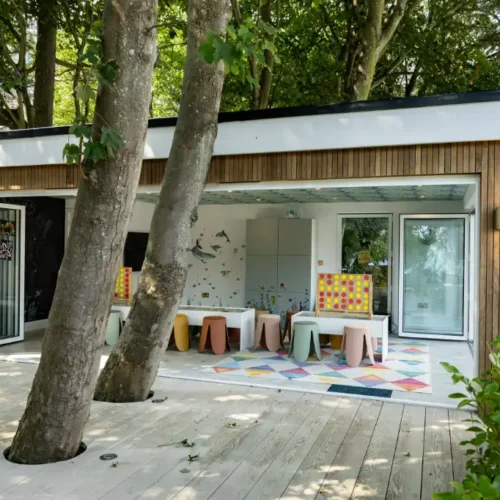
A zero-carbon garden room is a compelling proposition for schools, hotels, and commercial premises, and this is where Garden Room Solutions genuinely sets itself apart. Organisations facing ESG reporting requirements are increasingly turning to net-zero garden room design as a scalable, compliant solution.
A carbon neutral garden office on a school campus, for instance, can serve as a teaching space while demonstrating an active commitment to sustainability.
Benefits for commercial and educational clients include:
- Measurable carbon savings that support ESG reporting.
- Durable, code-compliant construction built for longevity.
- Scalable solutions across single or multiple sites.
- Long-term energy cost savings from day one.
These are buildings built to perform, and to last, making them a solid investment worth considering.
Why Work with Garden Room Solutions on a Zero-Carbon Build?
Building a zero-carbon garden room takes more than good intentions. It takes genuine expertise, the right supply chain, and a commitment to performance that extends well beyond the build itself.
At Garden Room Solutions, our sustainability-led design philosophy runs through every project, whether that’s a home office or a multi-unit commercial installation. Our end-to-end service covers design, build, and energy system integration, so you have one expert team accountable for the whole outcome.
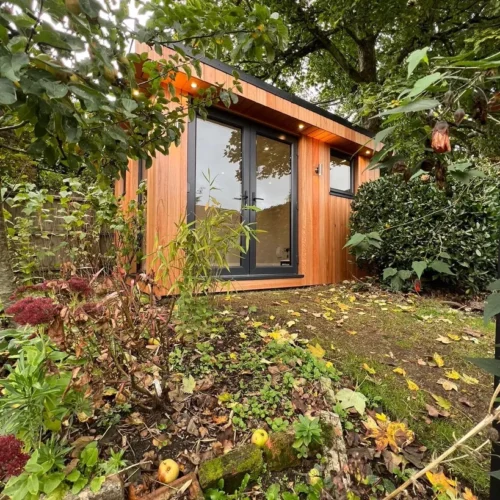
Final Thoughts – Is a Zero-Carbon Garden Room Worth It?
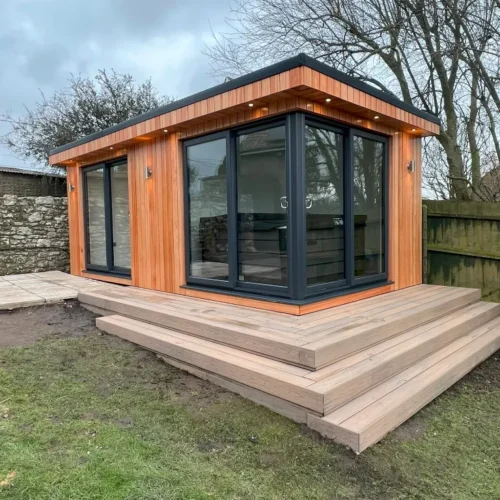
A zero-carbon garden room is a financially sound choice as well as an environmental one. Lower energy bills, stronger resale appeal, and resilience against future price rises all work in your favour over the long term.
As buyer demand for sustainable buildings grows and environmental expectations tighten, a low-carbon garden building becomes a genuine asset rather than just a nice feature. The upfront investment is real, but so are the returns. Comfort, performance, and peace of mind come as standard.
If you’ve been considering a garden room, now is a good moment to make it a green one.
Start Your Zero-Carbon Garden Room Journey Today
Looking to design a zero-carbon garden room tailored to your home, school, or commercial site? Our team brings nearly 20 years of experience to every build, using only the highest-quality materials to create garden rooms that truly perform.
Get in touch today by calling us on 01202 081198 or filling in our contact form to request a zero-carbon feasibility assessment or book a design consultation. We’d love to help you get started.